The Tesla Glass Roof Is a Heat Magnet, and XPEL Nano-Ceramic Tint Is the Fix
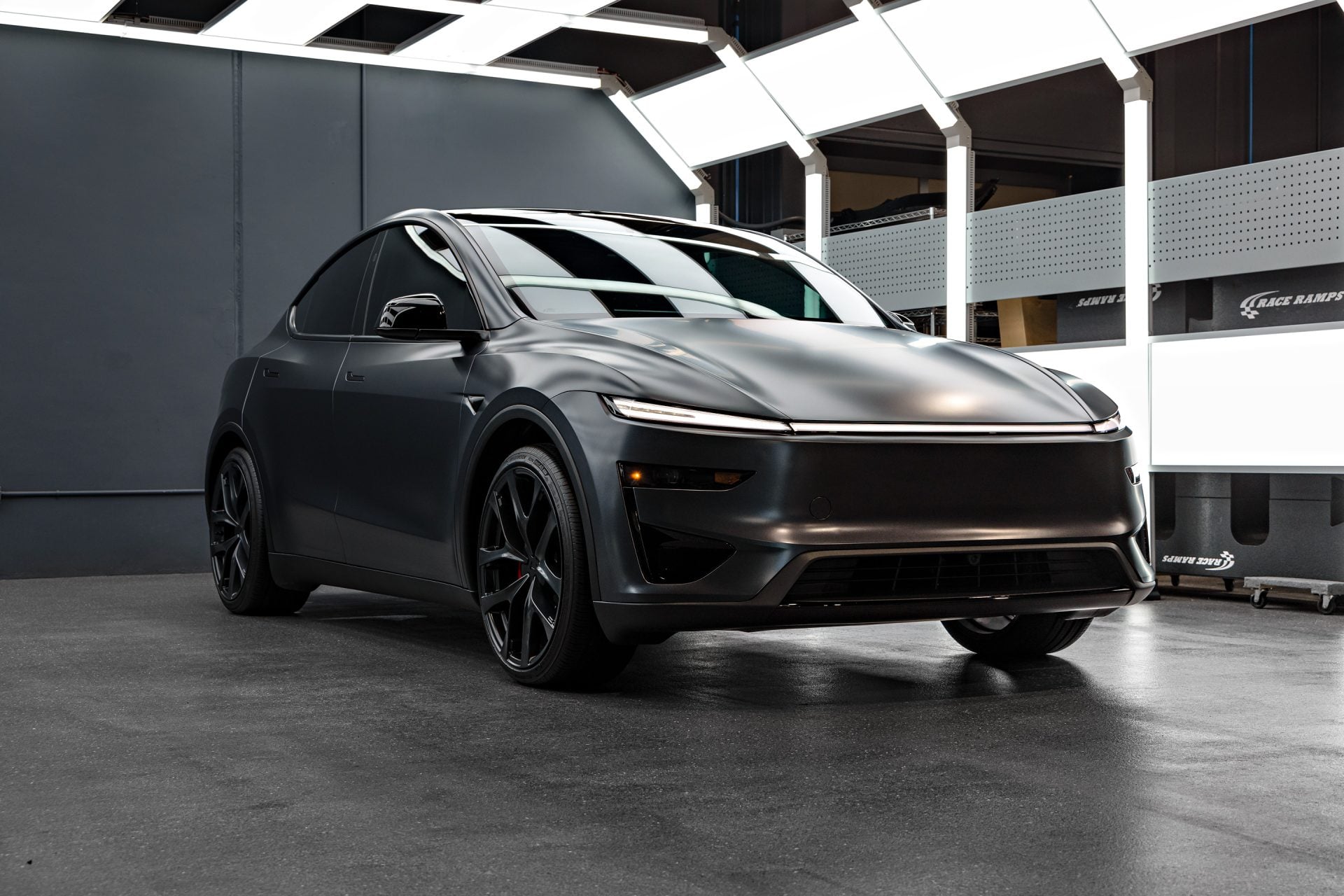
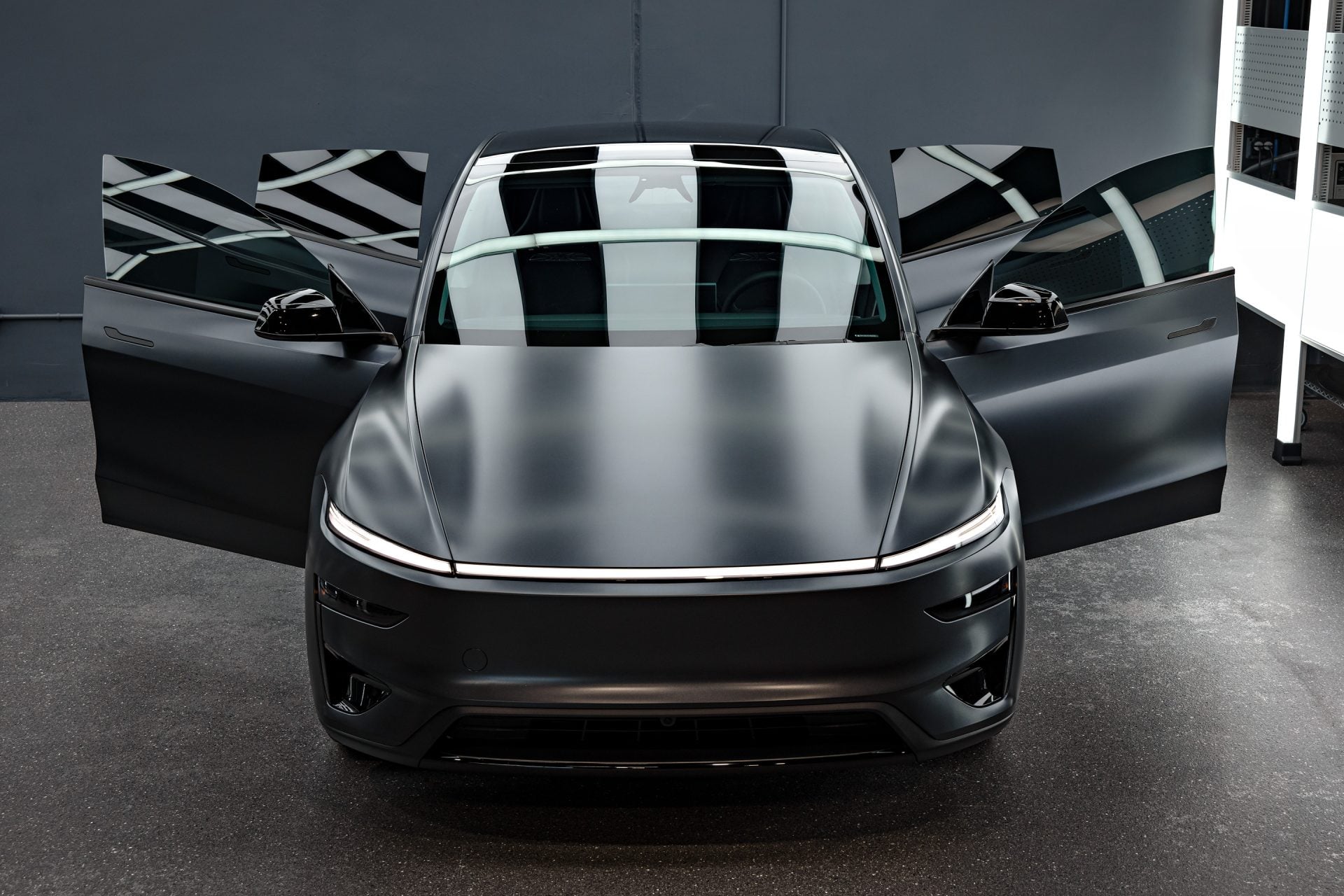
Every Model 3 and Model Y ships with a single panoramic sheet of glass stretching from the windshield to the trunk, and that glass turns the cabin into a greenhouse the moment the sun comes out. Tesla’s factory roof is laminated with a PVB interlayer that blocks the large majority of UVB radiation, but a meaningful share of UVA, the wavelength most responsible for the slow fading of leather, dash plastics, and screens over years of sun exposure, still passes through the factory glass on its own.
On a 90 degree Los Angeles afternoon, an untinted Tesla interior can climb past 130 degrees Fahrenheit, forcing the air conditioning to work overtime just to bring the cabin back to a livable temperature and burning through battery in the process. The XPEL Prime XR Plus nano-ceramic window tint closes both gaps at once, blocking up to 99 percent of UVA and UVB rays on top of the factory laminate and rejecting up to 98 percent of infrared heat before it ever reaches the cabin. It is one of the highest value upgrades we install on Tesla vehicles at our Hawthorne facility.
Why the Glass Roof Is the Biggest Heat Problem on a Tesla
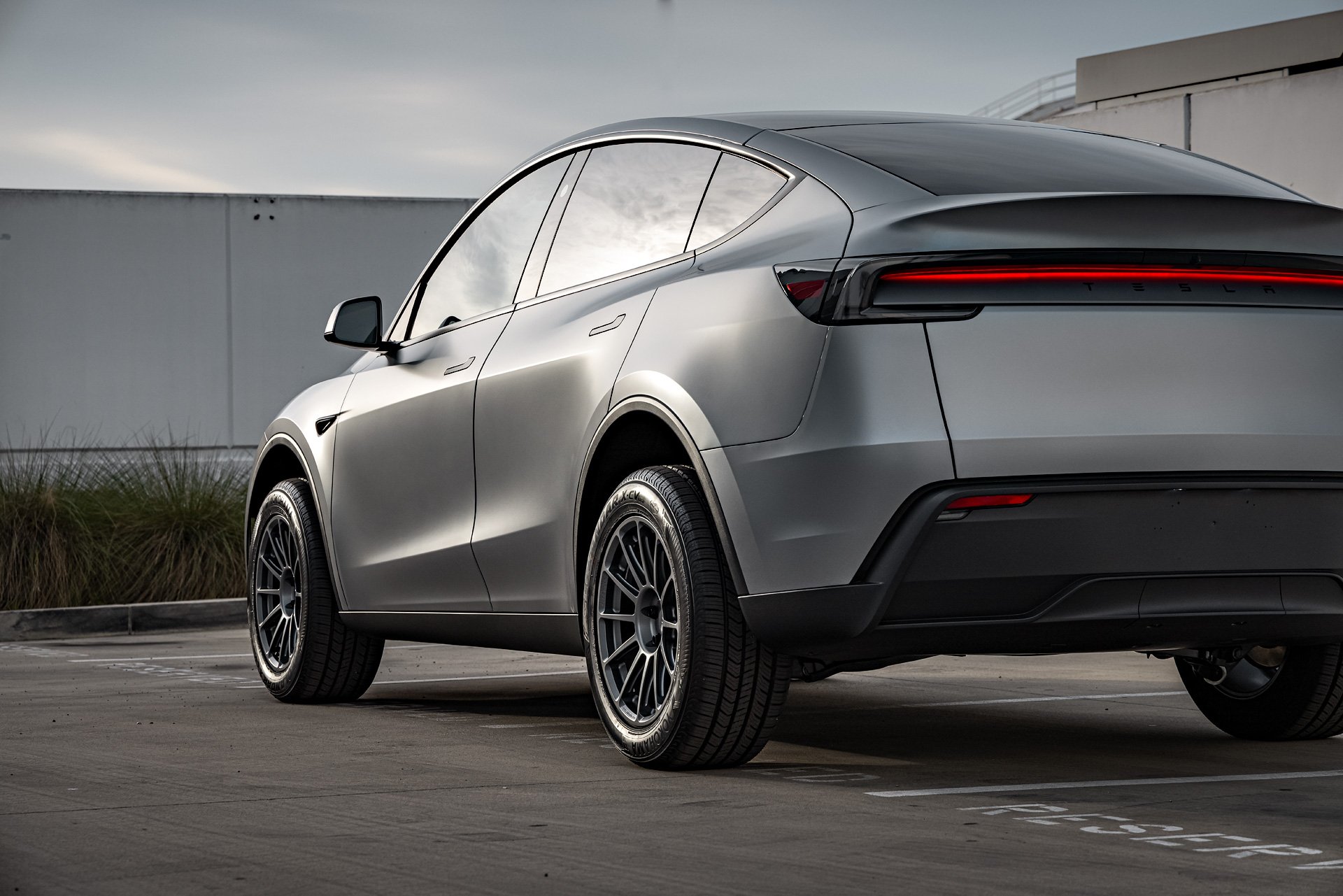
On a traditional car, the roof is steel and reflects sunlight. On a Model 3 or Model Y, the roof is glass, and glass does the opposite. It lets infrared radiation pass straight through and heat everything it touches, including the seats, dash, and the battery pack sitting beneath the floor. Because the roof panel covers nearly the entire top of the cabin, it accounts for a larger share of unwanted solar heat gain than any single side window, including the front windshield. Tesla’s factory glass carries some built-in solar coating, but it was never engineered to eliminate the greenhouse effect entirely, which is why owners in Phoenix, Las Vegas, and inland Southern California routinely describe stepping into their Tesla on a summer afternoon as walking into an oven.
And yes, our clients in the greater Los Angeles area are happy to combat these issues, making their Teslas a lot more comfortable and requiring way less battery to keep the interior cooler overall.
XPEL Prime XR Plus: The Nano-Ceramic Film We Install
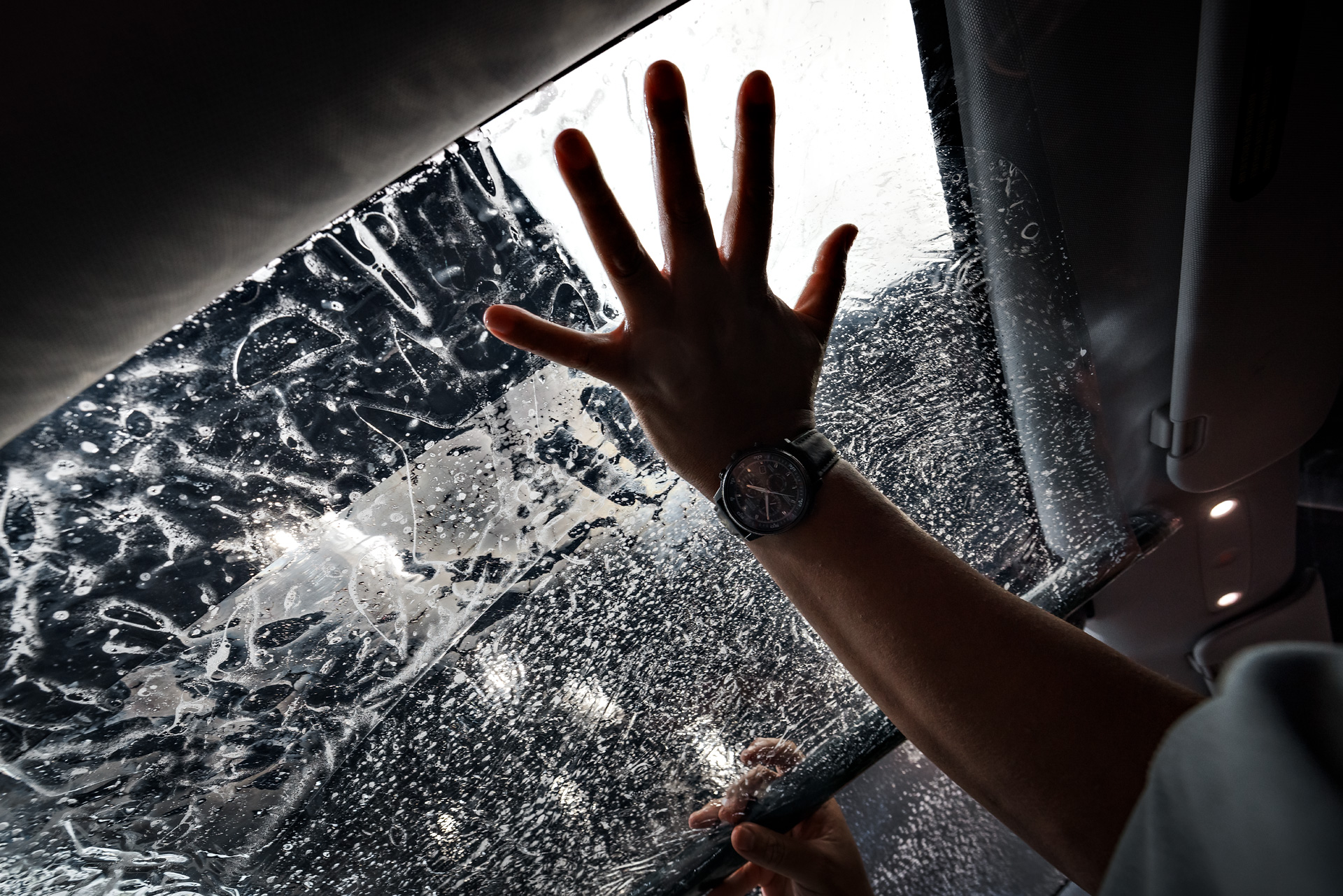
We use XPEL Prime XR Plus, XPEL’s flagship nano-ceramic film, on every Tesla roof and window package we install. Because the film uses ceramic nanoparticles rather than dye, metal, or carbon, it rejects up to 98 percent of infrared heat and blocks 99 percent of UV radiation without the smoky or mirrored look of older film technology. It is also completely non-metallic, so it will not interfere with a Tesla’s cabin camera, GPS, cellular connection, or Supercharger communication, which matters a great deal on a vehicle that depends on constant connectivity. On the panoramic roof specifically, where the glass is the single largest expanse of unprotected surface on the car, Prime XR Plus makes the most noticeable difference of any panel we tint.
Coverage Options for Model 3 and Model Y
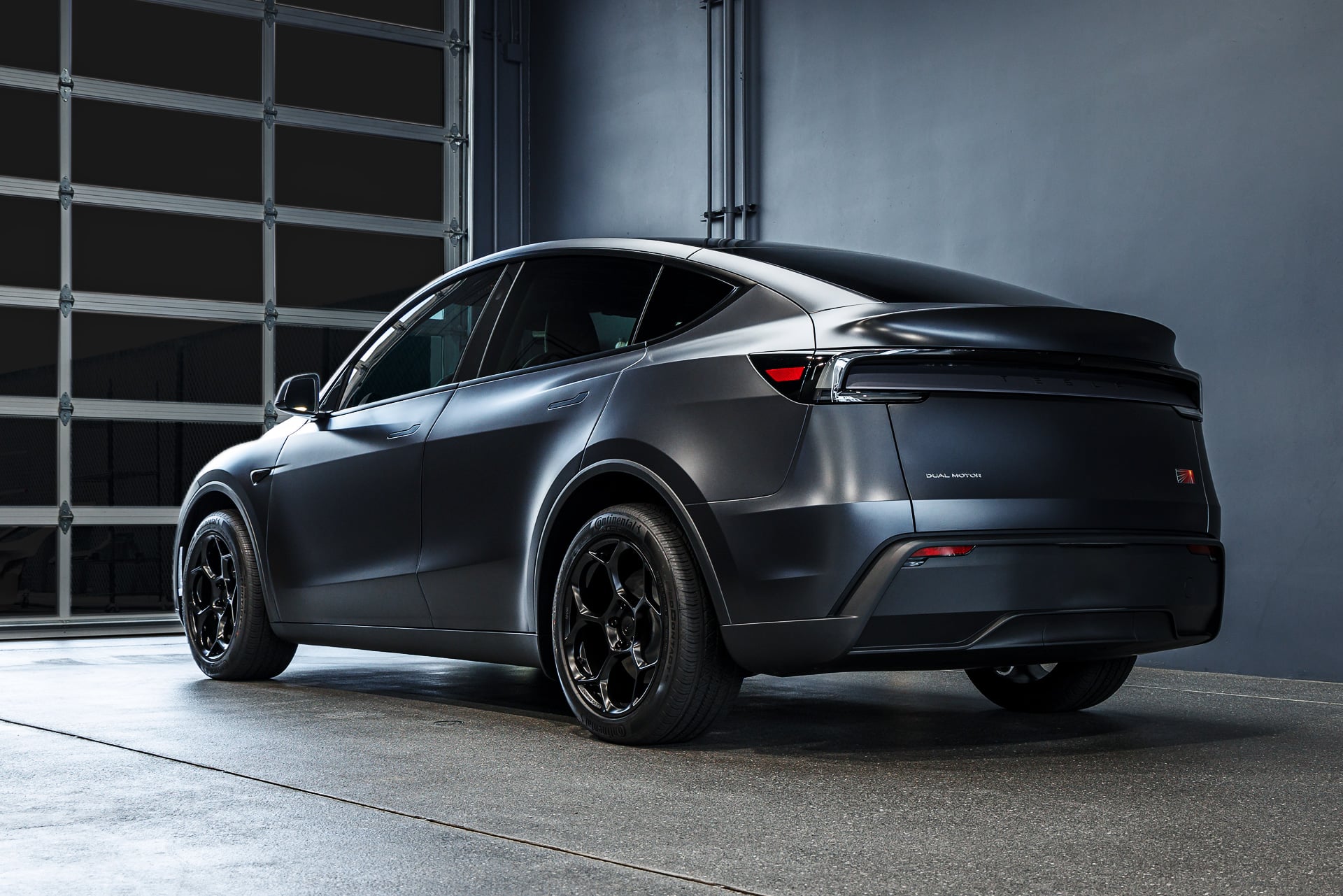
We tailor coverage to how each owner actually drives and where they live. The roof-only package addresses the single biggest source of solar heat gain and is the starting point for most Los Angeles owners, since the panoramic glass sits in direct sun for the entire length of a parked afternoon. Owners who commute long distances or park outdoors daily often add the windshield strip, which cuts glare and heat along the top few inches of the windshield without affecting the clear, legally required portion below the manufacturer’s AS-1 line.
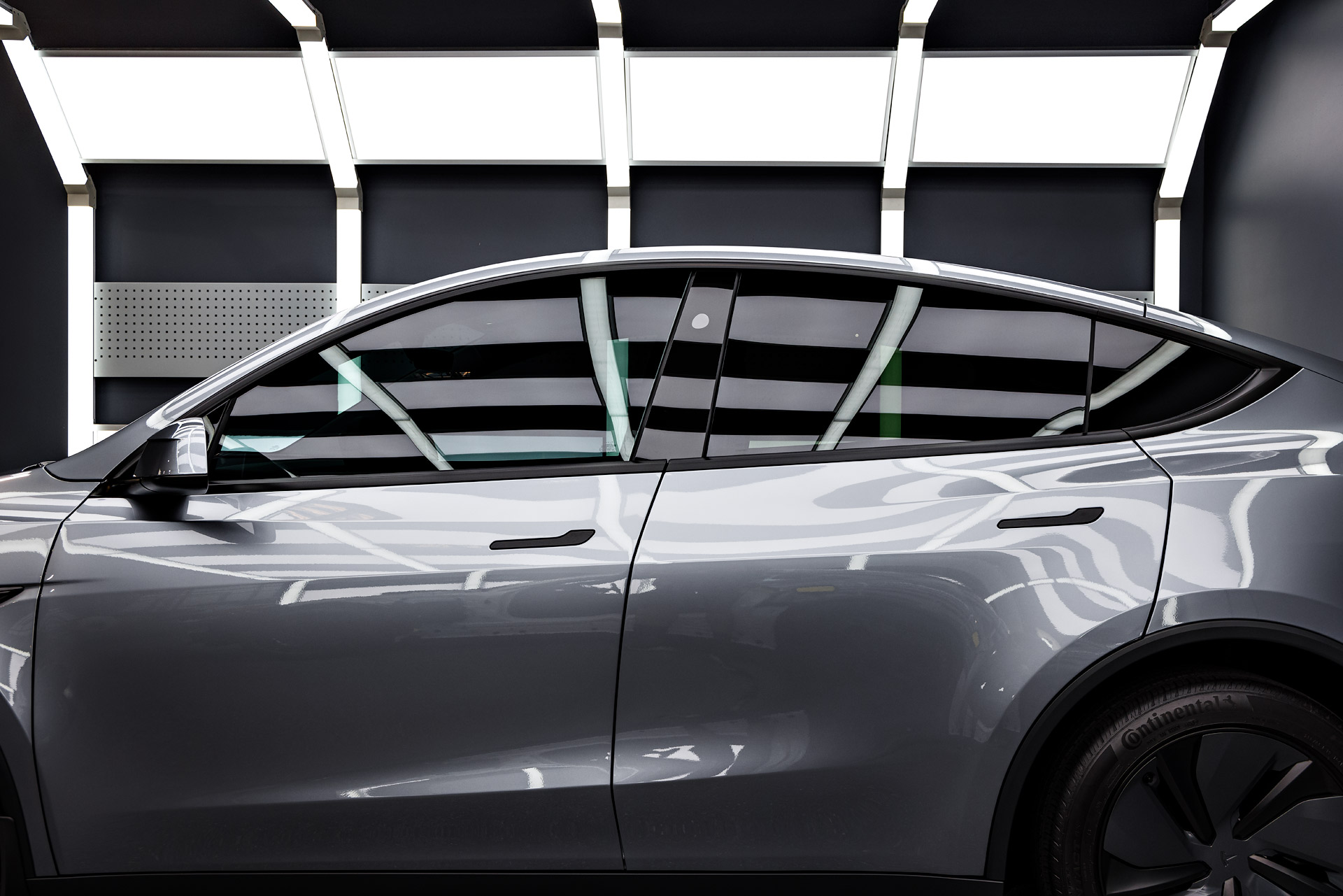
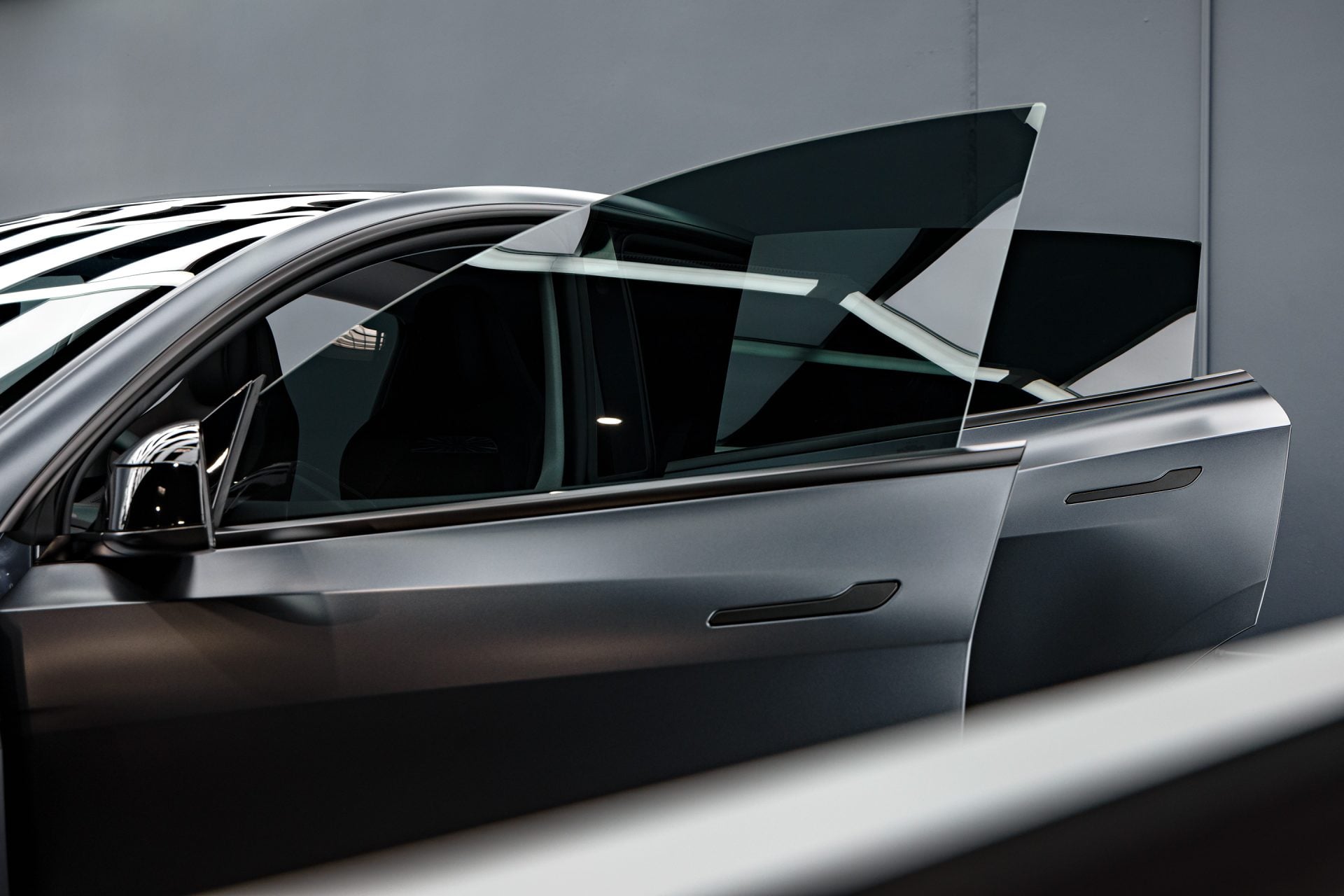
The front two windows can be tinted down to California’s 70 percent VLT minimum, taking the edge off direct afternoon sun without sacrificing visibility or running afoul of the law. Rear side windows and the rear glass carry no VLT restriction on a vehicle equipped with functioning side mirrors, so we typically install a noticeably darker shade there for privacy and additional heat control. Most owners in hot climates ultimately choose the full vehicle package, combining the roof, windshield strip, front windows, and rear glass into one continuous heat barrier, since partial coverage still leaves the largest source of cabin heat exposed.
How a Cooler Cabin Protects Your Range
Every degree the air conditioning has to remove is energy pulled straight from the battery, and a Tesla’s HVAC system is one of the largest single draws on the car outside of the drivetrain itself. Reducing solar heat load at the glass, before it ever reaches the cabin, means the compressor cycles less to reach and hold a set temperature, both while driving and while parked. This matters most while stationary. Features like Cabin Overheat Protection, Dog Mode, and Camp Mode all run the air conditioning to keep the interior livable while the car sits in a parking lot, and Tesla’s own guidance confirms the air conditioning setting draws noticeably more charge over the course of a hot afternoon than the fan-only setting.
A tinted roof and glass package lowers the cabin’s starting temperature and slows how quickly it climbs back up in the sun, so the climate system does not have to work as hard or as often to hold that temperature. That translates directly into less battery spent keeping the car comfortable and more range available for the actual drive.
California Tint Law and What It Means for Your Tesla
The glass roof on a Model 3 or Model Y is treated the same as rear glass under California law, meaning it carries no minimum VLT and can legally go as dark as an owner wants. Front side windows are a different story, and California requires a minimum of 70 percent VLT on the front driver and passenger windows regardless of vehicle type, with no exemption for EVs. The windshield itself only permits a non-reflective strip above the AS-1 line. We install every Tesla to full compliance with these limits and provide documentation with each job, so owners never have to worry about a fix-it ticket over a tint installed at our shop.
Book Your Consultation And Keep Your Tesla Cool
Every Tesla and every owner’s priorities are a little different, which is why we do not publish fixed tint pricing and instead build each package around the vehicle and the coverage that makes sense for how it is driven and parked. If you are ready to stop losing range to a hot cabin in your Model 3 or Model Y, please don’t hesitate to contact us for a free consultation. We will walk you through the roof, windshield, and full vehicle options and get you a detailed quote right away. One thing to bear in mind: please contact us before arriving at our facility, as we’re an appointment-only shop and, due to the nature of our high-quality work and the sheer number of vehicles we work on, we don’t allow walk-ins for the time being.
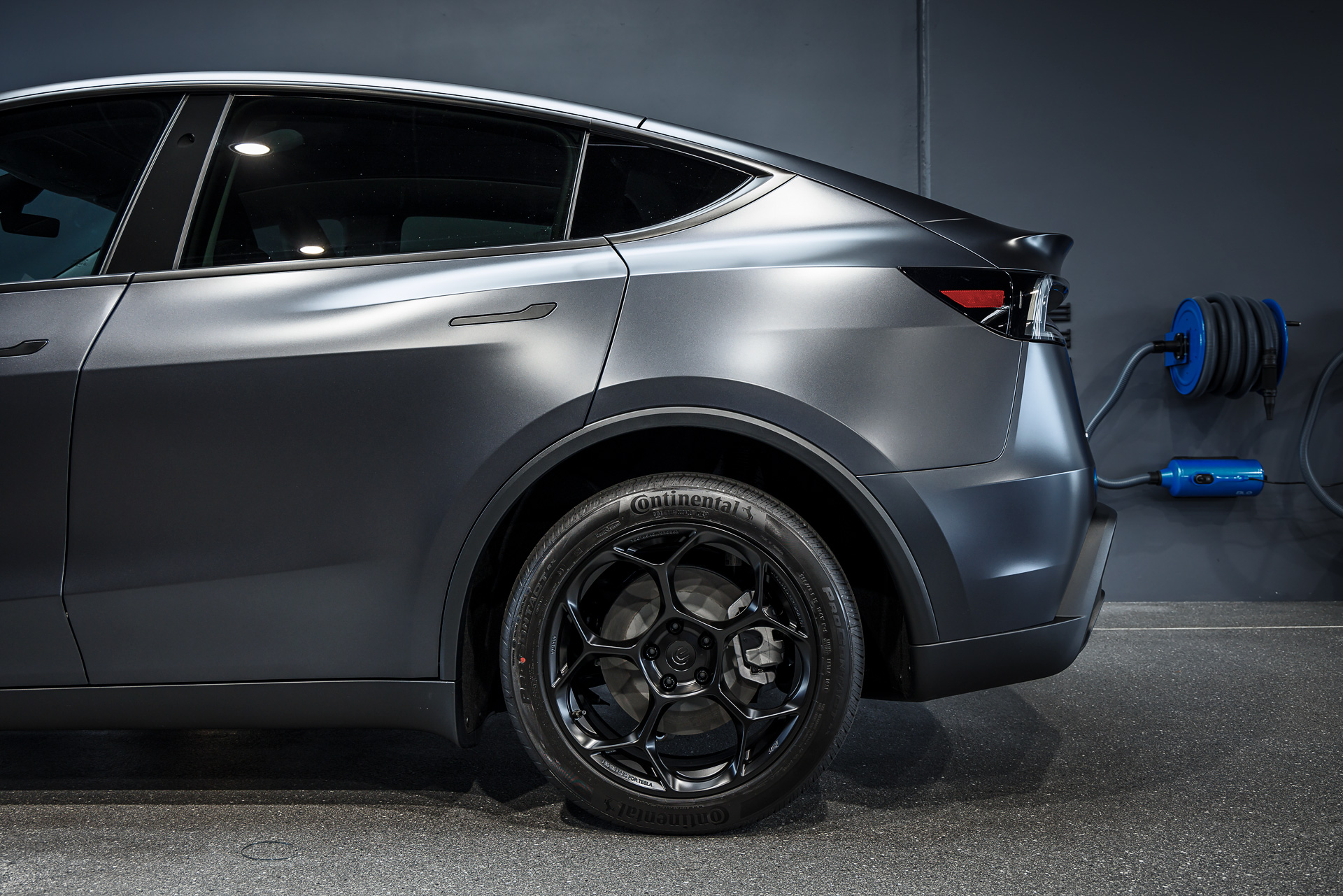
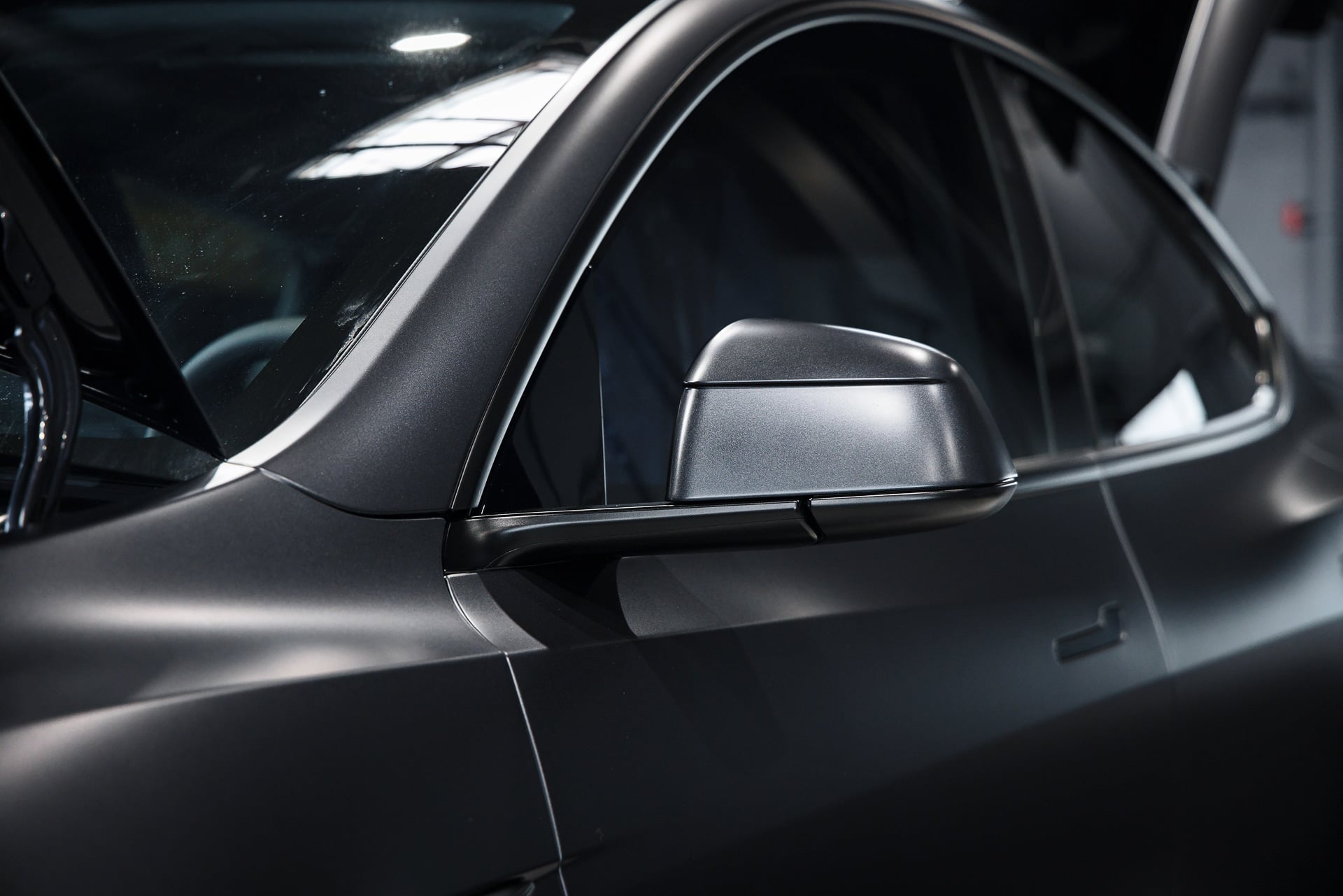
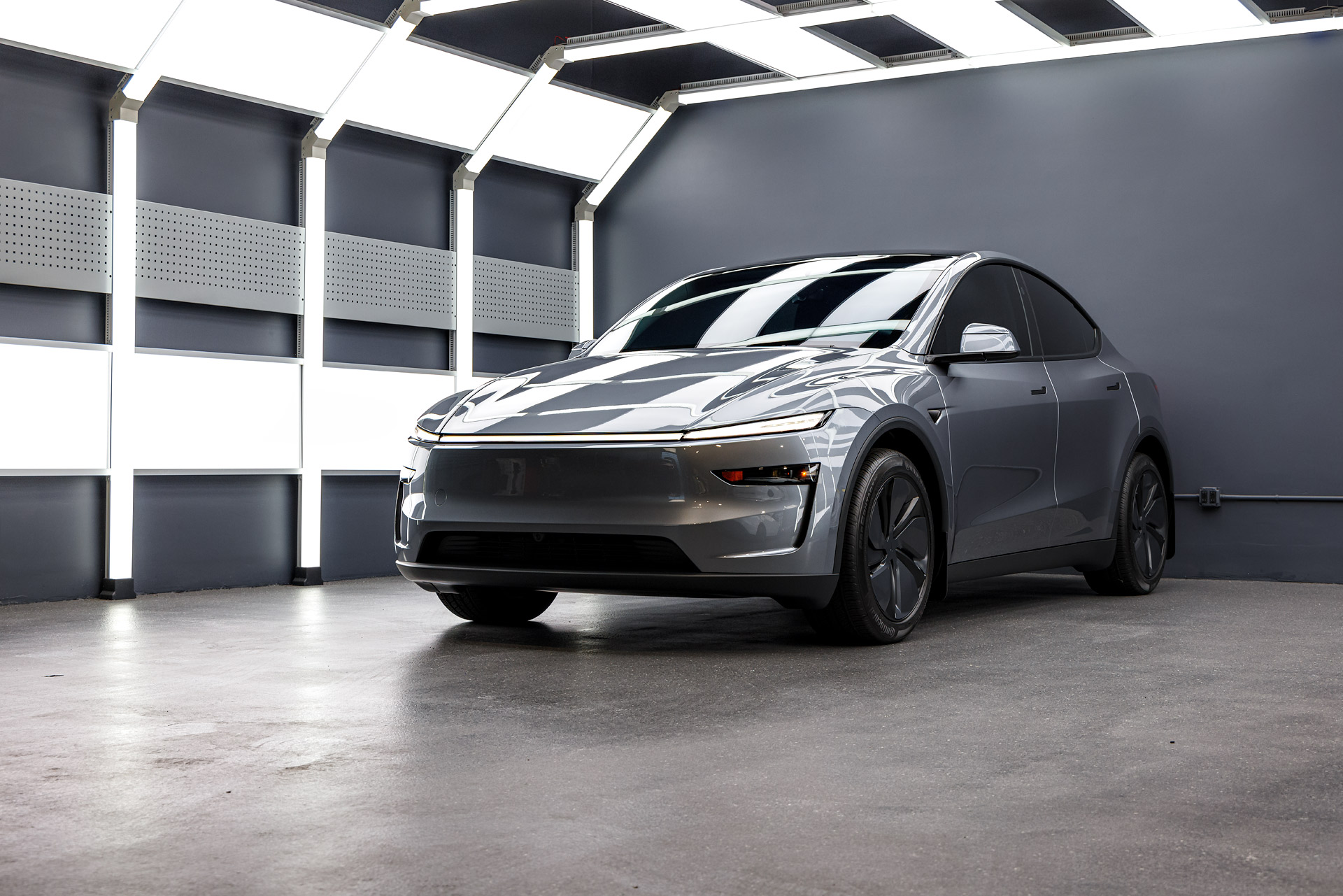
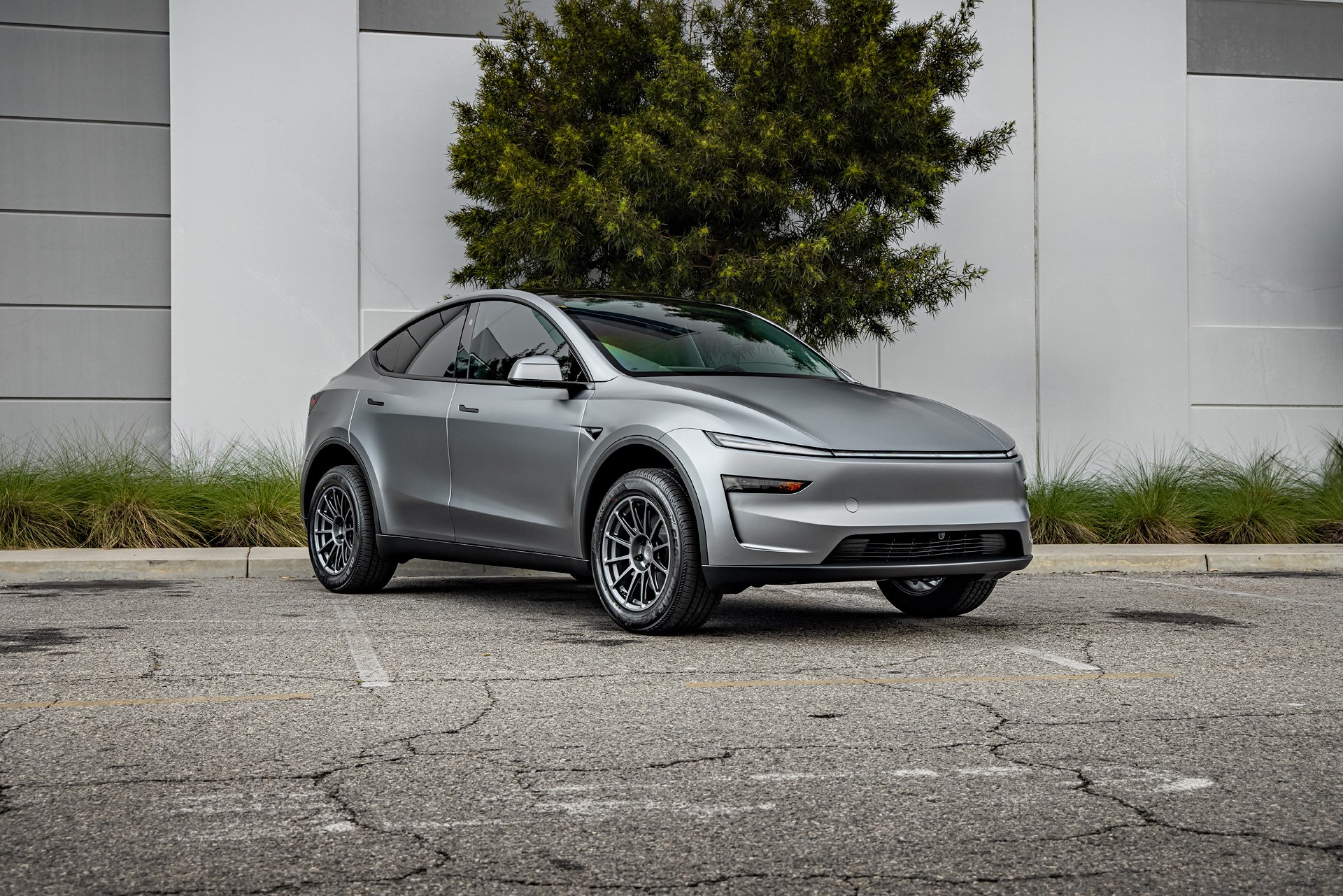
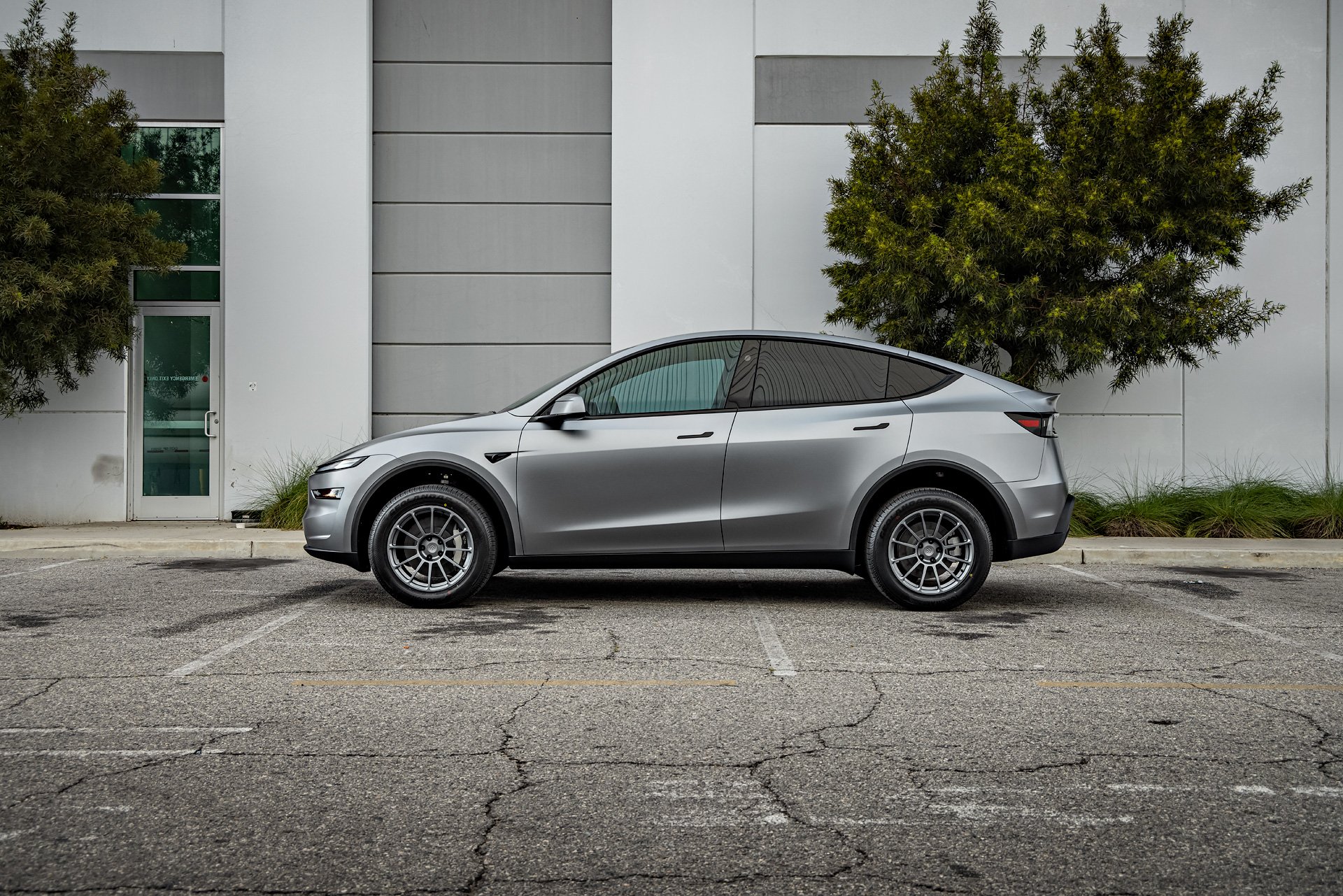
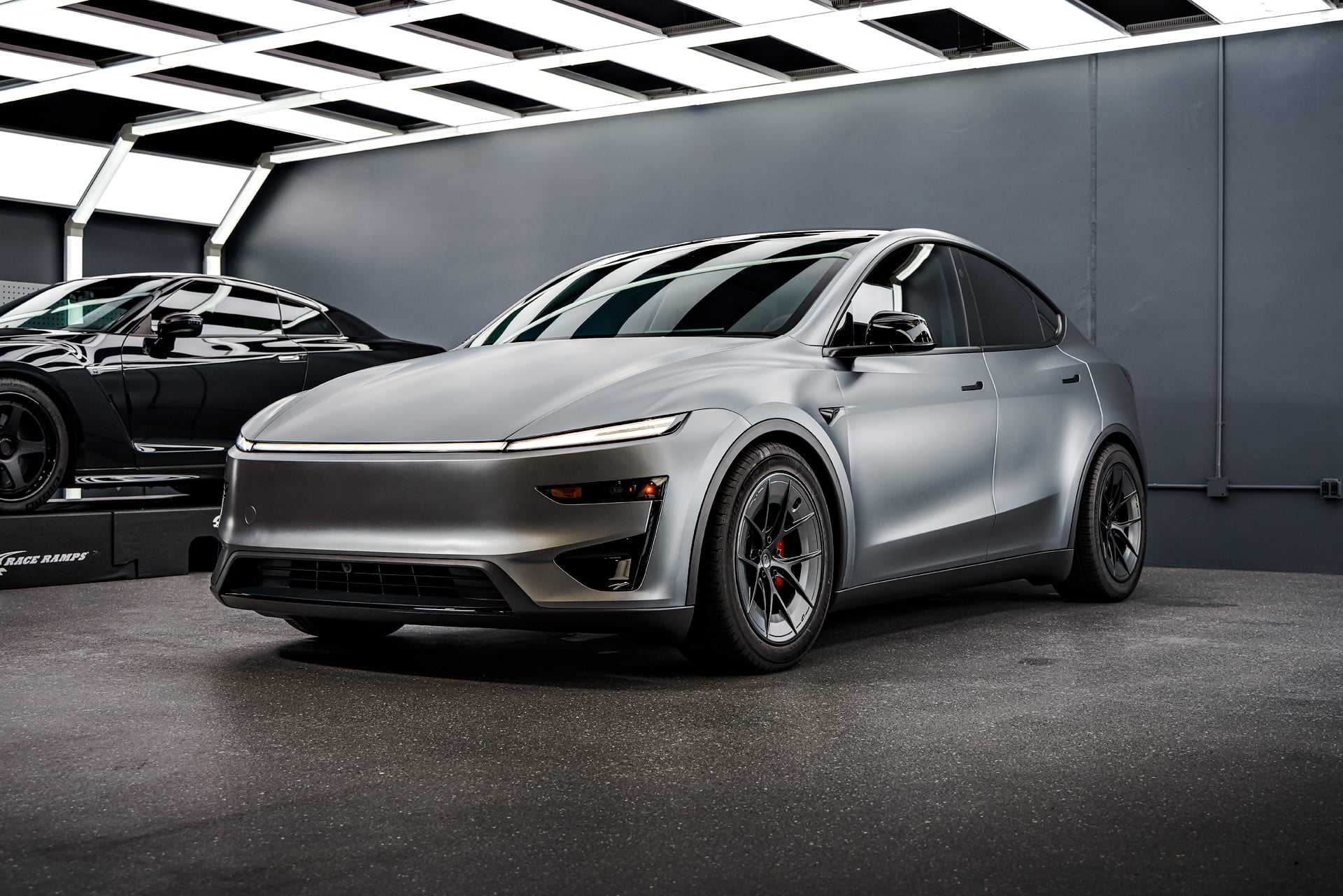
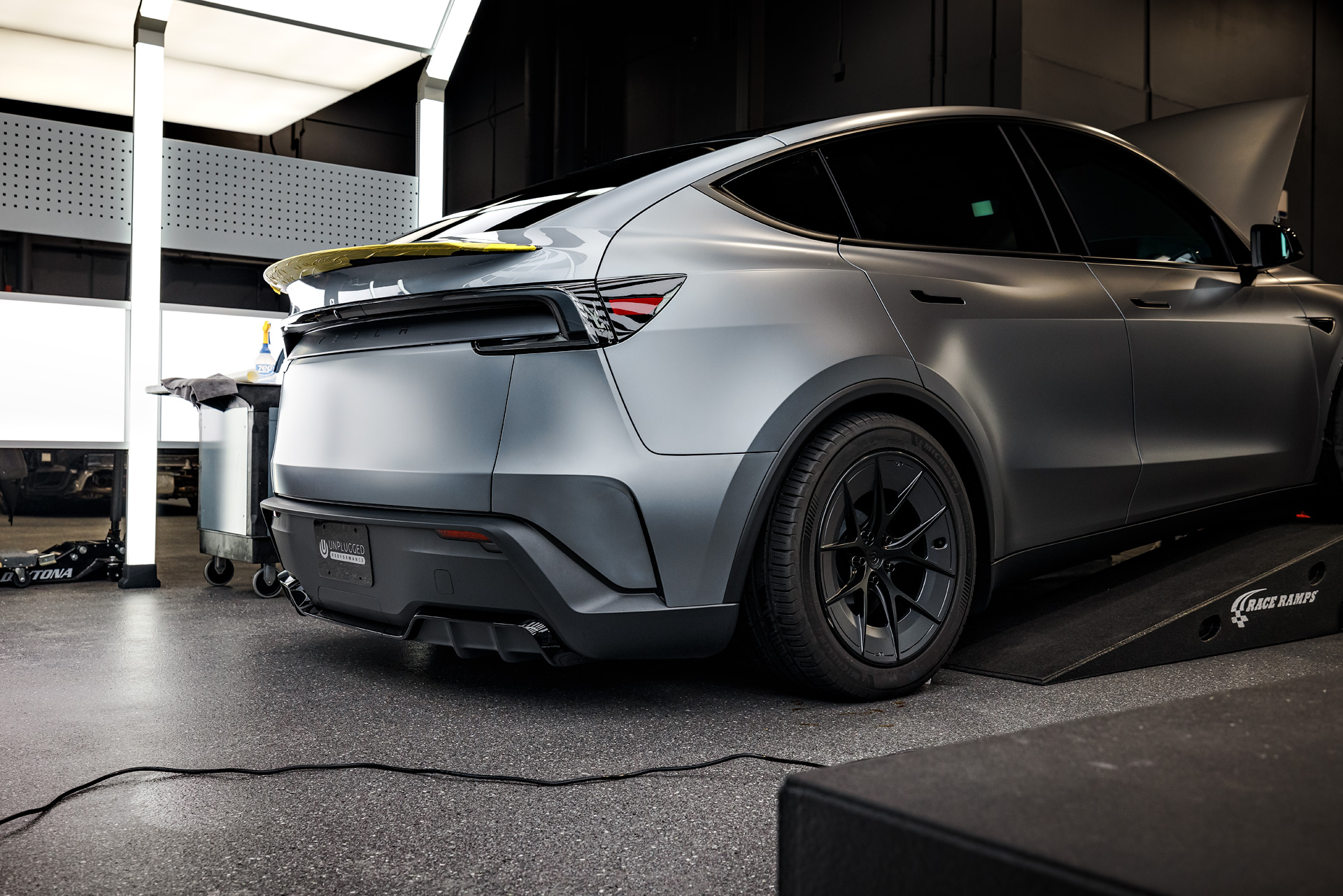
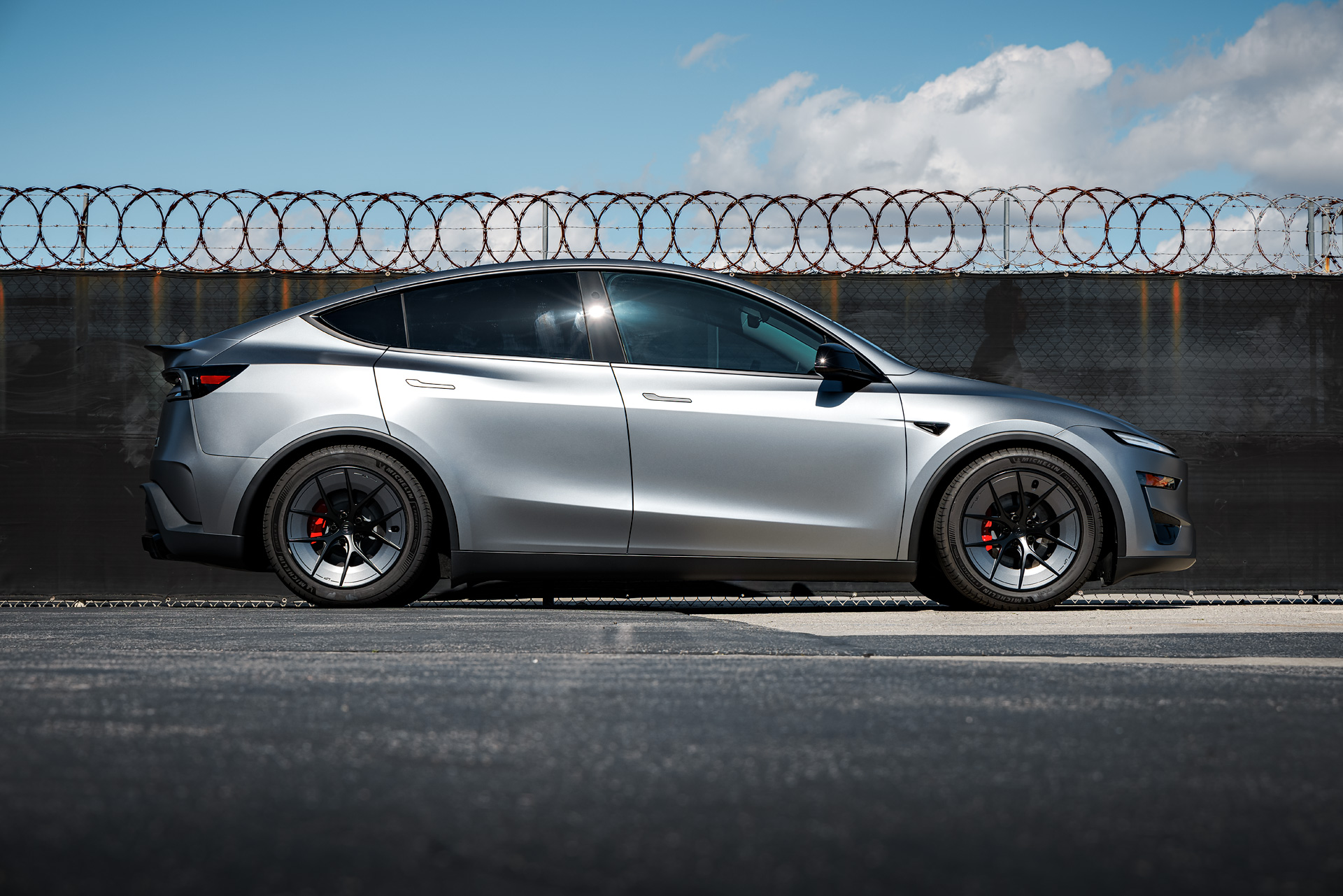
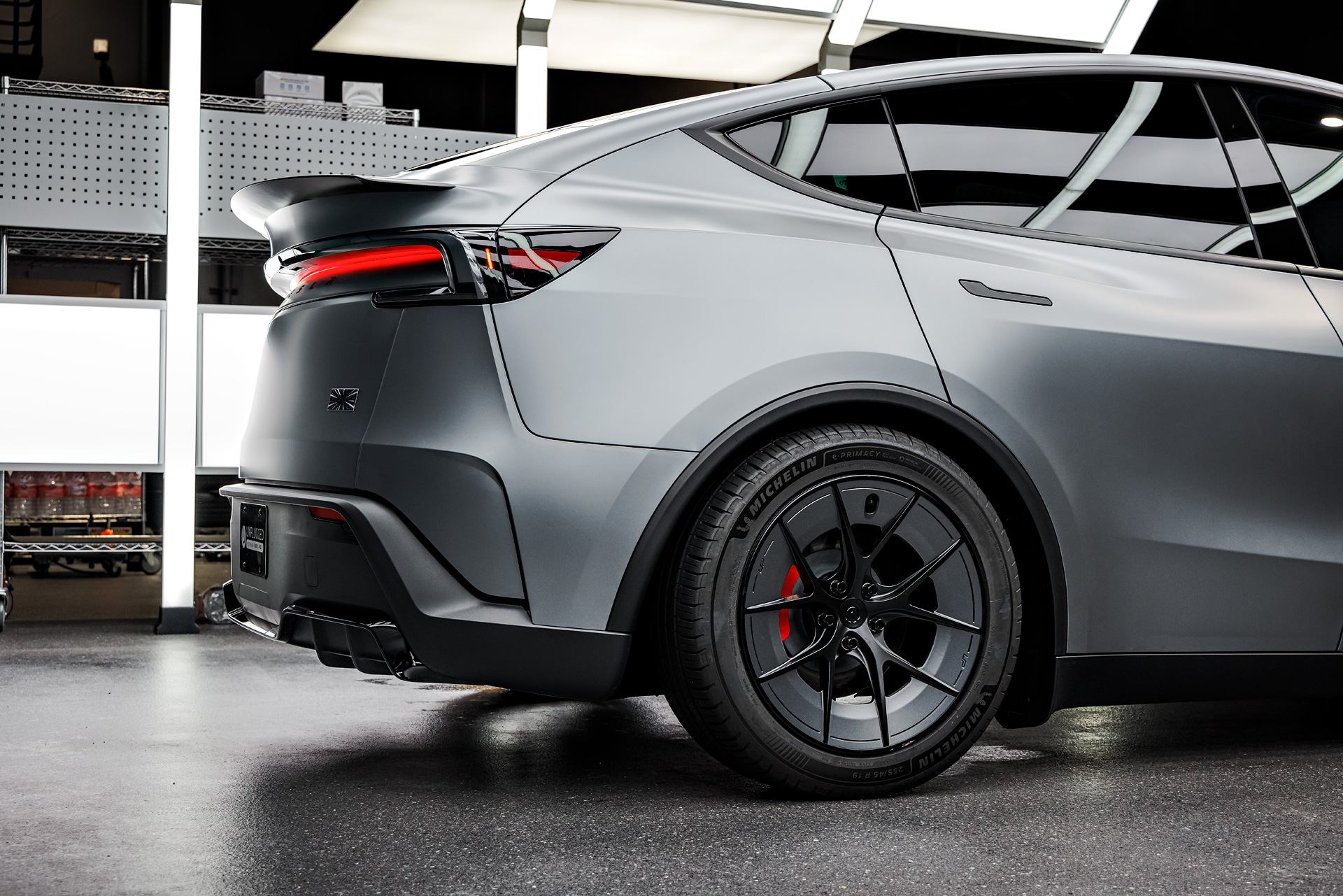
In the meantime, take a detailed look at some of our Tesla builds in the media gallery below, which give you real customer data on this matter.